Thursday, March 26, 2026
12 C
Washington D.C.
Home Blog Page 101

TikTok: US judge halts app store ban

0

[ad_1]

TikTok

image copyrightReuters/TikTok

A US judge has issued a temporary injunction preventing a ban on future downloads of the TikTok app.

The app had faced being blocked from Apple’s App Store and Android’s Google Play marketplace from 23:59 Eastern time.

Existing US-based users would have been able to continue using it.

But they would not have been able to re-download the app if they deleted it from their phones, nor have been offered software updates.

Judge Carl Nichols of the US District Court for the District of Columbia issued a temporary injunction on Sunday evening at the request of TikTok.

The opinion was sealed, meaning that no reason for the decision was released.

  • TikTok: Oracle confirms being picked by Bytedance to be app’s partner

  • TikTok and WeChat: US to ban app downloads in 48 hours
  • TikTok: What TikTokers make of Trump’s ban threat

TikTok had argued that forcing it off the iOS and Android app stores would have violated the First and Fifth Amendments of the US constitution.

It claimed that preventing some users joining the app unlawfully impinged upon their freedom of speech and that the firm’s own right to due process would have been breached by not giving it a proper opportunity to defend itself first.

“How does it make sense to impose this app store ban tonight when there are negotiations underway that might make it unnecessary?” added a member of the app’s legal team.

The US government’s lawyers in turn had described the app’s parent as being “a mouthpiece” for the Chinese Communist Party (CCP).

The ruling comes one week after another Chinese app – WeChat – that also faced a ban, was given its own last minute reprieve by the US courts.

National security

The long-term fate of TikTok in the US is still unclear. At present it is owned by a Chinese company, Bytedance, but operated as a separate entity to Douyin – a parallel version used by Chinese consumers.

The Trump administration has claimed Bytedance’s involvement poses a unacceptable national security threat, because it would have to comply with an order to support the CCP’s “malicious collection of American citizens’ personal data”.
Bytedance denies this, saying that TikTok’s user data is kept in the US and Singapore, and so is not subject to Chinese law.
Even so, after being threatened with a ban, a week ago TikTok said that it had agreed a deal to let database company Oracle and retail giant Walmart take up to a 20% stake in a new spun-off entity called TikTok Global ahead of shares in the endeavour being floated.
But President Trump subsequently said he would not accept any arrangement that did not involve Bytedance ceding control to the two US firms.

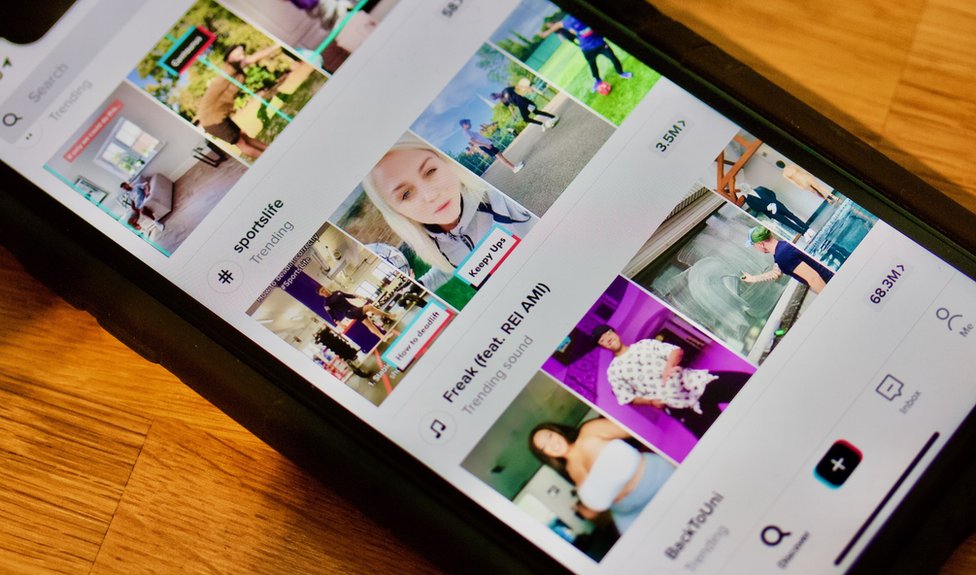
image captionTikTok’s audience skews younger than that of Facebook, YouTube and Twitter

To further complicate matters, Beijing has yet to announce whether it will grant Bytedance a licence to include TikTok’s algorithms in any deal.

Algorithms power the app’s recommendation engine, deciding which videos to show to each user, based on the ways they have previously interacted with the product.

The algorithms are highly responsive to each person’s interests, quickly picking up on shifts in behaviour, and are credited with helping make the app so popular.

If China refused to let them be included in a deal, it could scupper any sell-off.

‘Critical growth’

TikTok has said it has more than 100 million active users in the US and about 700 million worldwide.

It has claimed even a temporary ban would threaten its business.

“[A] ban will cause our user base to stagnate and then precipitously decline,” wrote interim boss Vanessa Pappas in a court filing.

“For TikTok to remain competitive, continued growth at this stage in our development is critical.”

The US government has issued two executive orders targeting TikTok. While the first is designed to prevent it being distributed via Apple and Google, the second is more far-reaching.

Due to come into force on 12 November, it is designed to shut the app down outright in the US, if the president’s national security concerns are not resolved.

TikTok Timeline

image copyrightEPA

March 2012: Bytedance is established in China and launches Neihan Duanzi – an app to help Chinese users share memes

September 2016: Bytedance launches the short-form video app Douyin in China

August 2017: An international version of Douyin is launched under the brand TikTok in some parts of the world, but not the US at this time

November 2017: Bytedance buys lip-synch music app Musical.ly

May 2018: TikTok declared world’s most downloaded non-game iOS app over first three months of the year, by market research firm Sensor Tower

August 2018: Bytedance announces it is shutting down Musical.ly and is moving users over to TikTok

February 2019: TikTok fined in US over Musical.ly’s handling of under-13s’ data

October 2019: Facebook’s Mark Zuckerberg publicly criticises TikTok, accusing it of censoring protests

November 2019: The Committee on Foreign Investment in the United States opens a national security investigation into TikTok

May 2020: TikTok hires Disney executive Kevin Meyer to become the division’s chief executive and chief operating officer of Bytedance

June 2020: India bans TikTok among dozens of other Chinese apps

July 2020: US Secretary of State Mike Pompeo, and then President Trump, say TikTok might be banned

August 2020: Microsoft and Oracle make rival approaches to acquire or otherwise operate TikTok in the US and three other markets. Mr Meyer announces he is leaving the company because the “political environment has sharply changed”

September 2020: TikTok rejects Microsoft’s bid, paving way for Oracle and Walmart to clinch a deal. The US Department of Commerce gives a one-week extension to its original app-store-ban deadline, but there is still confusion over the terms of the arrangement as the time limit approaches

Related Topics

  • TikTok

  • China
  • United States
  • Apps

[ad_2]

Source link
NHS Covid-19: App users unable to input negative tests

0

[ad_1]

By Zoe Kleinman
Technology reporter

Related Topics

  • Coronavirus pandemic

NHS Covid-10 app

People who test negative for Covid-19 are unable to share the result with the new NHS app for England and Wales if they did not book the test through the app in the first place.

The app asks for a code to register a test result but a code is only received if the test is positive.

Those who enter that they have symptoms without entering a result find a self-isolation countdown begins.

The Department for Health and Social Care said the app would be updated.

People who have been using the app since its launch on Thursday, and who had already booked tests before downloading it, have found that they are unable to stop the self-isolation countdown after reporting symptoms if they then get a negative result, because it does not come with a code they can share.

“That’s so confusing as the app doesn’t tell you that can’t enter negative test booked outside it,” said Prof Deborah Ryan, who originally contacted the BBC.

“And the app still tells you to quarantine if you entered symptoms. So this means I can’t turn off the self-isolation alert in the app?”

The self-isolation alert cannot be de-activated in this situation.

In addition, tests taken as a result of the Office for National Statistics surveys, and those taken in an NHS Hospital or Public Health England lab, cannot be shared on the app regardless of the result,

according to a tweet from the app’s official account.

It is not clear how many test results would be affected by this.

The Department of Health said that using the app is “entirely voluntary” and advice to get a test or self-isolate cannot be enforced.

Tests booked via the app will have the results automatically shared with it, it said.

According to the data analyst App Annie the NHS Covid-19 app has been downloaded around 4m times so far.

“By downloading this app you are helping protect yourself and others. If you book your test via the app then the results will be automatically recorded in the app and the isolation countdown will be updated,” said a DHSC spokesman.

Related Topics


[ad_2]

Source link

Taio Cruz quits TikTok after ‘suicidal thoughts’

0

[ad_1]

Taio Cruz

Image caption

Taio Cruz was only on TikTok for a matter of days before deleting his account.

Pop star Taio Cruz has opened up about his reasons for quitting TikTok, saying he wanted to preserve his mental health after having “suicidal thoughts”.

The musician, whose hits include Dynamite and Break Your Heart, said he had been targeted by “hateful” videos and comments on the video-sharing app.

“My body was shaking and I had suicidal thoughts,” he explained on Instagram.

“I pride myself on being mentally resilient so the fact that I felt that way, shocked even me.”

The 35-year-old added: “Some users posted hateful, mocking videos which spurred a feedback loop of negativity, where more and more people began to join in on the mockery and hate.

“My intention was to make some fun videos and interact with my fans, but some, whom I won’t mention, were averse to that.

“For my own mental health, I would rather be where I’m welcomed, for now, TikTok is not that place. Social media shouldn’t be like this, sadly it is.”

The London-born singer rose to fame in the late 2000s, scoring two number one singles in the UK, and writing for artists including Jennifer Lopez, Usher and David Guetta.

He joined TikTok earlier this week and quickly gained 85,000 followers – but abruptly deleted all his videos on Wednesday, posting a message that read: “Never in my life have I had a more negative experience than the past few days on here”.

“This community is not for me,” he added.

The BBC understands that the musician was targeted by messages accusing of him of being irrelevant and “begging for clout”.

One user who wrote, “I just saw one of his videos [and] scrolled so fast,” received a response from the star – who simply posted the shrug emoji.

The majority of the comments were posted beneath Cruz’s own videos, which are no longer available.

After the musician deactivated his account, fans sent him messages of support on social media.

“Your music has made me smile from when I was five,” wrote one Instagram user. “I’m so sorry, please remember how strong you are.”

“We love you and we’re looking forward to hearing more songs from you. You are an absolute legend,” added another.

TikTok star Dixie D’Amelio, who has 38 million followers on the platform, also expressed her concern.

“This makes me so sad,” she wrote on Twitter. “Y’all bullied a legit music artist off TikTok in under a week… WHAT??? Just be nice.”

In a statement provided to the BBC, a TikTok spokesperson said: “We’re a huge fan of Taio and are extremely disappointed he has experienced negativity from a limited number of users.

“TikTok is a safe space for our community and we have a zero tolerance approach to bullying and harassment.

“We are in discussions with Taio’s management and this matter is under investigation with our Trust and Safety Team.”

Follow us on Facebook, or on Twitter @BBCNewsEnts. If you have a story suggestion email


[ad_2]

Source link

The State Duma proposed to tighten the rules for registering children in social networks

0

State Duma Deputy Yevgeny Fedorov sent a letter to the head of the Ministry of Digital Development Maksut Shadayev, in which he proposed registering children under 14 on social networks only with the permission of parents or other legal representatives. It is reported by RT on Friday, September 25.

“I ask you, together with the social networks represented in the Russian Federation, to consider the possibility of introducing a legal mechanism for verifying registered users, as well as registering children under the age of 14 only with the permission of their legal representatives,” the letter says.

Fedorov noted that at present, any child can, without any obstacles, create his own personal account on social networks, which are a tool for potential offenders to incite youth to commit illegal actions, including organizing unauthorized actions and mass street riots.

Due to their age, the deputy noted, children are easily influenced by various destructive ideas.

Earlier, on September 1, Izvestia wrote that the majority of parents in Russia use parental control in order to protect their children from inappropriate content, and not to control their hobbies.

According to the survey, the main threats to children on the Internet are considered by parents to be content related to violence and cruelty, communication with strangers and dangerous groups on social networks.

NHS Covid-19 app: England and Wales get smartphone contact tracing for over-16s

0

[ad_1]

By Leo Kelion & Rory Cellan-Jones
Technology reporters

Related Topics

  • Coronavirus pandemic

NHS Covid-10 app

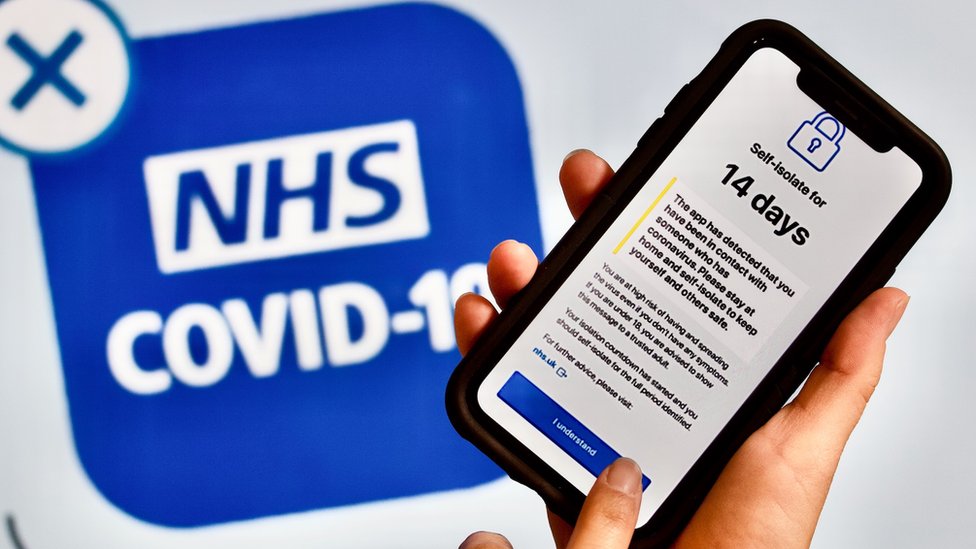
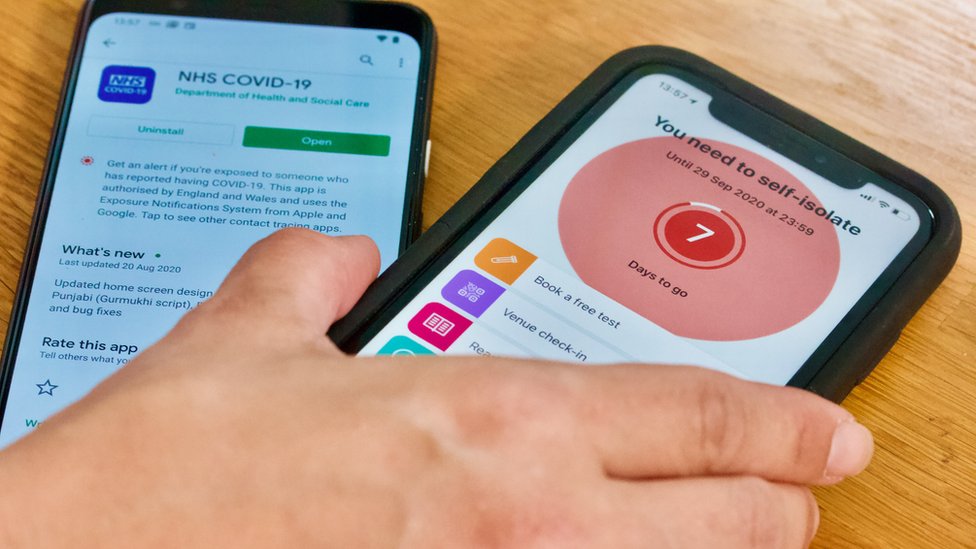
image captionUsers will be told to self-isolate if the app determines they are at high risk of being infected

People living in England and Wales are being urged to download the government’s official contact-tracing app following its official release.

NHS Covid-19 instructs users to self-isolate for 14 days if it detects they were nearby someone who has the virus.

It also has a check-in scanner to alert owners if a venue they have visited is found to be an outbreak hotspot.

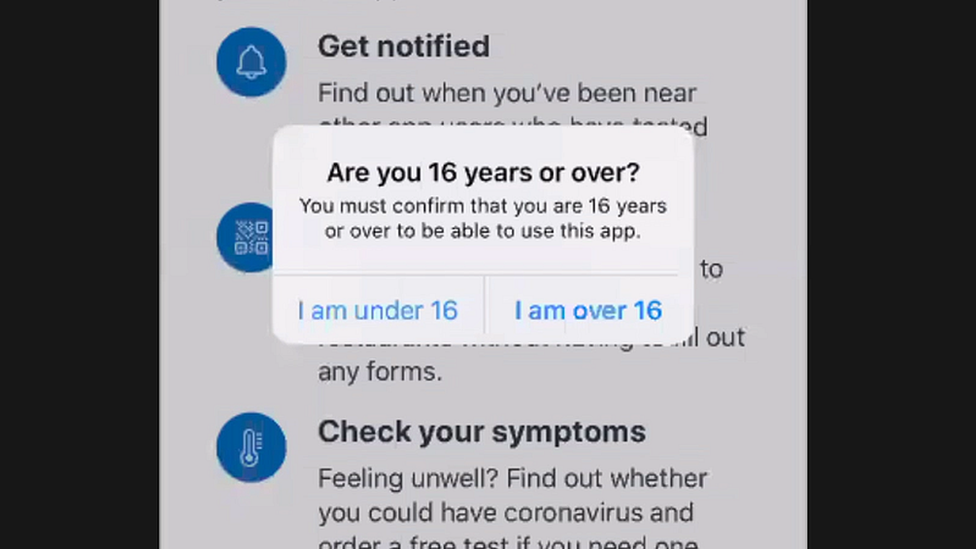
Anyone over the age of 16 is being asked to install the app onto their smartphone.

That is a change from trials, which were limited to the over-18s.

The move reflects a desire by health chiefs for the software to be used by as many students in further education colleges and universities as possible.

The age limit is in line with the Protect Scotland contact-tracing app. And health chiefs behind Northern Ireland’s StopCOVID NI have said they intend to launch a new version that accepts under-18s later this month.

image copyrightDepartment of Health

image captionUser will have to verify they are over 16 before they can start using the app

Health Secretary Matt Hancock said that with coronavirus infection rates rising, the app could help keep people safe.

“I urge everyone who can to download and use the app to protect themselves and their loved ones,” he said.

The government had originally intended to release the app months ago. But problems with the initial design and the addition of extra features meant it was only ready for its final public test in August.

One tech expert who has tracked the initiative acknowledged the team involved had worked hard to address concerns about privacy and transparency, but said wider problems could still limit its impact.

“Not only is the app late to launch, but it will be hindered by the delays in the testing system,” Rachel Coldicutt told the BBC.

“If you don’t have symptoms, will a push notification saying you were near someone a week ago make you and your family self-isolate and spend days hitting refresh on the testing website, trying to find a test?”

Although the app allows users to order a coronavirus test and automatically get the results, the government does not believe it will complicate efforts to meet demand.

How can people access the app?

The app is available for smartphones only – not tablets, smartwatches or other devices.

To get started, go to

Android’s Google Play or Apple’s App Store and search for “NHS Covid-19”.

The handsets must have Android 6.0 (released in 2015) or iOS 13.5 (released in May 2020) and Bluetooth 4.0 or higher.

And some of the latest Huawei handsets are excluded.

What will contact-tracing alerts say?

The notification will tell the recipient to go into self-isolation for a fortnight – and trigger the start of the app’s countdown clock.

Even if the recipient has no symptoms or a subsequent negative test result, they must stay at home for the duration.

Unlike when a human contact tracer orders someone to self-isolate, the app keeps the subject’s identity a secret.

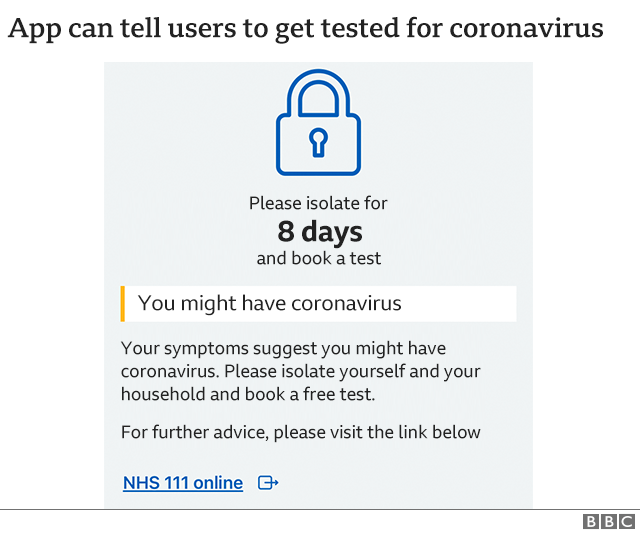
Those that have not received such an alert, but fill in the app’s symptoms checker and meet the criteria, will be directed to self-isolate for eight days and be directed to an external website to book a test.

Automated contact tracing is designed to complement the work done by humans by helping to identify encounters with strangers – for example, someone standing close to a user while waiting in a queue outside a shop.

When someone anonymously shares a positive Covid-19 test result via the app, a process developed by Apple and Google makes other users’ smartphones check if they had recently detected the infected person’s handset.

But smartphones were not designed for this purpose and the readings involved are not always accurate. This has led to fears of “false positives” – people being instructed to self-isolate who were never at risk.

image copyrightDepartment of Health
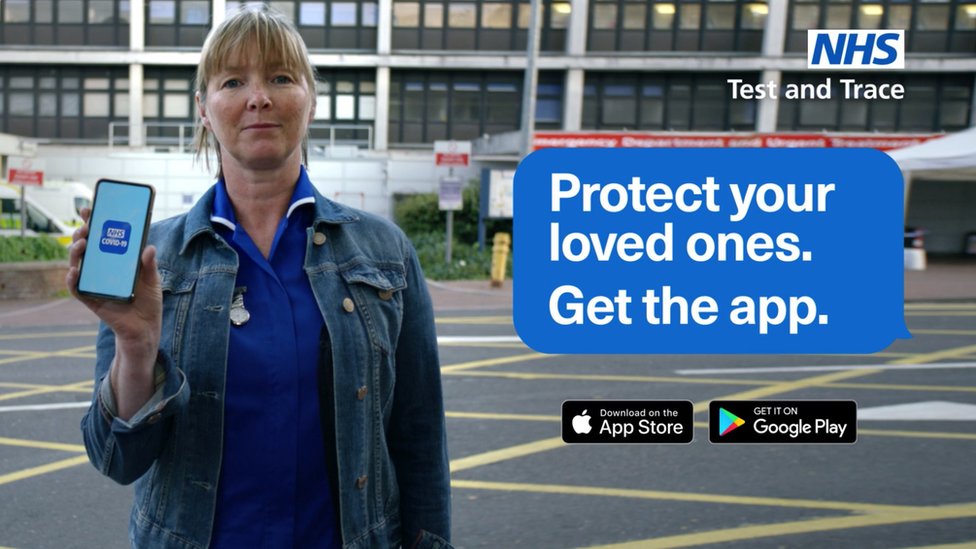
image captionA publicity campaign will encourage users to download the app to protect others

However, health chiefs believe a recent change to the calculations involved should help minimise the problem: they now take into account when the virus-carrier was at their most contagious.

The Department of Health has confirmed that users who ignore the app’s self-isolation warning are in theory liable for fines of £1,000 or more.

However, because they do not have to identify themselves, officials acknowledge this will normally be impossible to enforce.

Barcode check-ins

One of the app’s other major features is a scanner to let it keep track of pubs, restaurants, hairdressers and other places the user has visited.

Hospitality venues in England now face £1,000 fines if they do not display an official Test and Trace poster featuring a QR barcode assigned to them.
image copyrightDepartment of Health
image captionCinemas, community centres and places of worship are also being asked to display authorised QR barcode posters

So far, the government says more than 160,000 businesses have downloaded a unique code for their property.

The benefit is that if officials later identify a venue as being at the centre of an outbreak, they can update a database which the phones regularly check for a match.

Users can then be told to self-isolate and/or get tested, depending on the circumstances, without having to revealing their identities.

Free data

Other facilities, including postcode-based threat updates and details of the latest guidance, are intended to encourage people to regularly look at the app and change their behaviour.

But a major challenge will be convincing them to download it in the first place:

  • officials suggest only about one in 10 people installed the app during a recent trial in the London Borough of Newham, an area picked for its ethnic diversity. When the BBC visited on Wednesday, a reporter could only find one person using it
  • Scotland’s app launched about a fortnight ago, and roughly one in five people there have installed it
  • Ireland, one of the leaders in the field, has still only convinced about one in three people to use its app, which was released in July

To encourage adoption in England and Wales, the the major mobile networks have agreed not to deduct data used by the app from subscribers’ monthly allowances.

In addition, the app now supports more languages than the test version – adding Turkish, Arabic, Mandarin, Romanian and soon Polish.

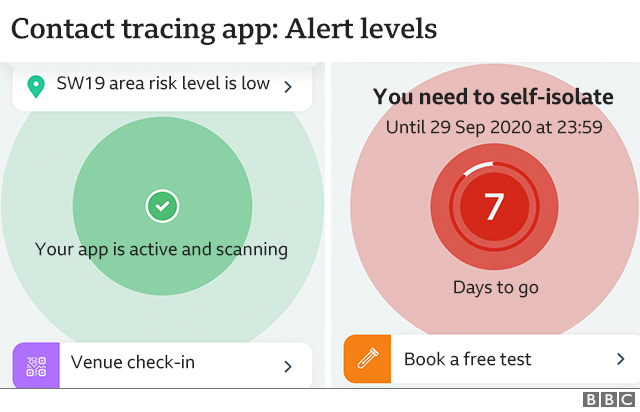
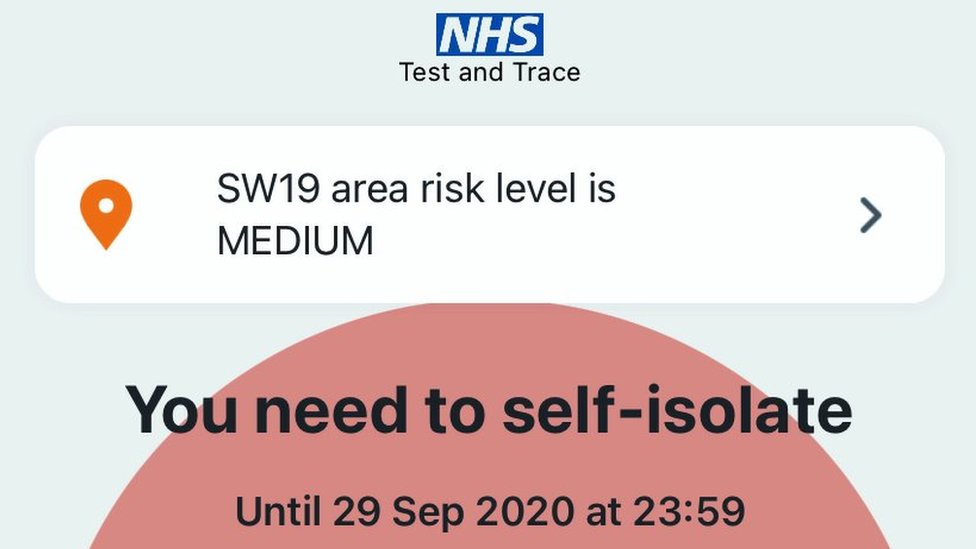
image captionThe app provides a risk score for the user’s neighbourhood as well as a self-isolation countdown clock

And it now allows users to delete individual venue visits from the app’s “digital diary”. This followed feedback from victims of domestic abuse, whose partners often check their phones.

One change, however, may be less popular.

Those told to go into self-isolation because of a contact-tracing match will not be able to challenge the decision.

A document published last month had indicated that users would be able to call an NHS 111 operator, who might overrule the command.

Related Topics

[ad_2]

Source link

NHS Covid-19 app: How England and Wales’ contact-tracing service works

0

[ad_1]

By Leo Kelion and Rory Cellan-Jones
Technology reporters

NHS Covid-19 app

It has been a long time coming but England and Wales’ Covid-19 app will launch on Thursday.

It follows in the footsteps of Scotland and Northern Ireland’s own efforts but has more features.

Apple and Google’s automated contact-tracing technology will be used to tell people to self-isolate if their phone detects they were near someone later determined to have the virus.

But there’s more, including:

  • a venue check-in barcode scanner
  • a postcode-based risk-level checker
  • a symptoms-reporter tool
  • the means to order a coronavirus test and receive its results
  • a countdown timer to keep track of how long to stay in self-isolation
  • a guide to the latest advice on local restrictions, financial support and other related information

image copyrightDepartment of Health

image captionThe app keeps a record of venues the user has been to in order to warn them if one is later linked to an outbreak

So while contact-tracing may seem like the headline feature, health chiefs say the primary goal is to change people’s behaviour to make them less likely to catch or transmit the coronavirus.

How can people access the app?

The app is available for smartphones only – not tablets, smartwatches or other devices.

To get started, go to Android’s Google Play or Apple’s App Store and search for “NHS Covid-19”.

The handsets must have Android 6.0 (released in 2015) or iOS 13.5 (released in May 2020) and Bluetooth 4.0 or higher.

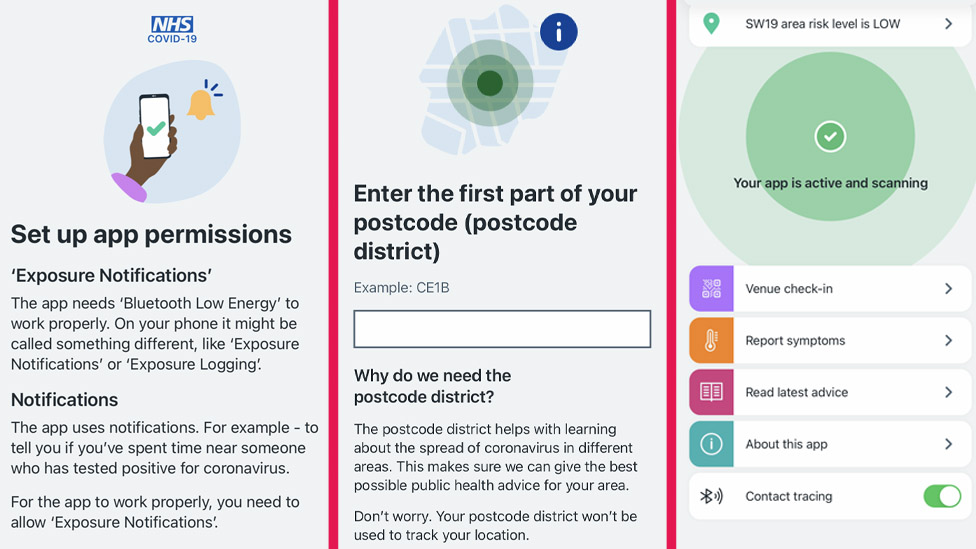
image captionThe app first asks the user for permission to use Bluetooth and their postcode, before revealing its home screen

And some of the latest Huawei handsets are excluded.

How will it send contact-tracing alerts?

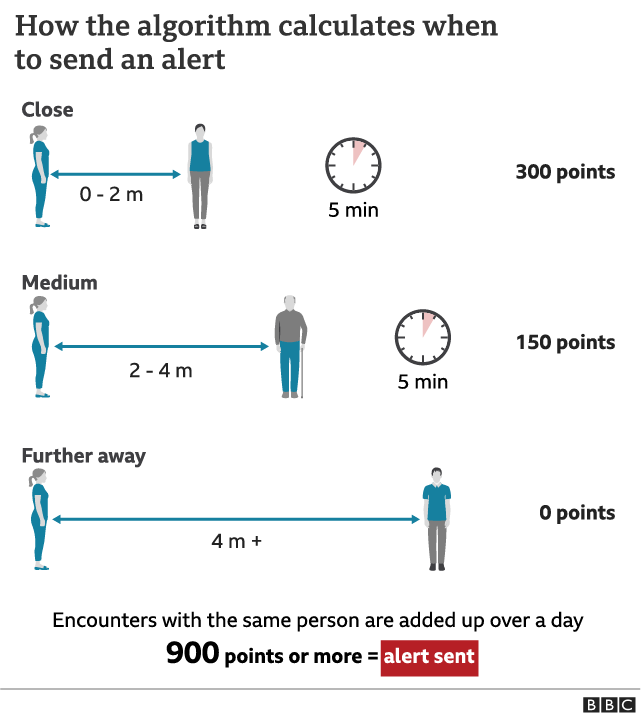
When two devices running the app are close to each other, they exchange Bluetooth “handshakes” to determine the distance and duration, measured in sessions lasting five minutes.

The measurements are not always accurate – and work continues to improve them – but the logs are used to create a cumulative points score for the set of interactions between two people over the course of a day.

The formula may be tweaked over time.

If the points threshold is met and one of the two owners later shares a positive coronavirus test via the app, then the other will receive an alert.

What will this alert say?

The notification will tell the recipient to go into self-isolation for a fortnight – and trigger the start of the app’s countdown clock.

But the recipient is not told who triggered the alert.

And the authorities cannot identify either party, although they can track how many people have been told to self-isolate.

Even if the recipient has no symptoms or a subsequent negative test result, they must stay at home for the duration.

  • How does Covid-19 test-and-trace work?

Can users be fined if they ignore a self-isolate alert?

From 28 September, people in England can be fined £1,000 or more for breaching self-isolation rules.

But because the app lets users remain anonymous and health chiefs want it to be popular, fines for users should not be an issue.

Unlike when a human contact tracer orders someone to self-isolate, the app keeps the subject’s identity a secret.

Only if they subsequently get in contact – for example to arrange a financial support payment – will their name be registered.

How will the venue check-in process work?

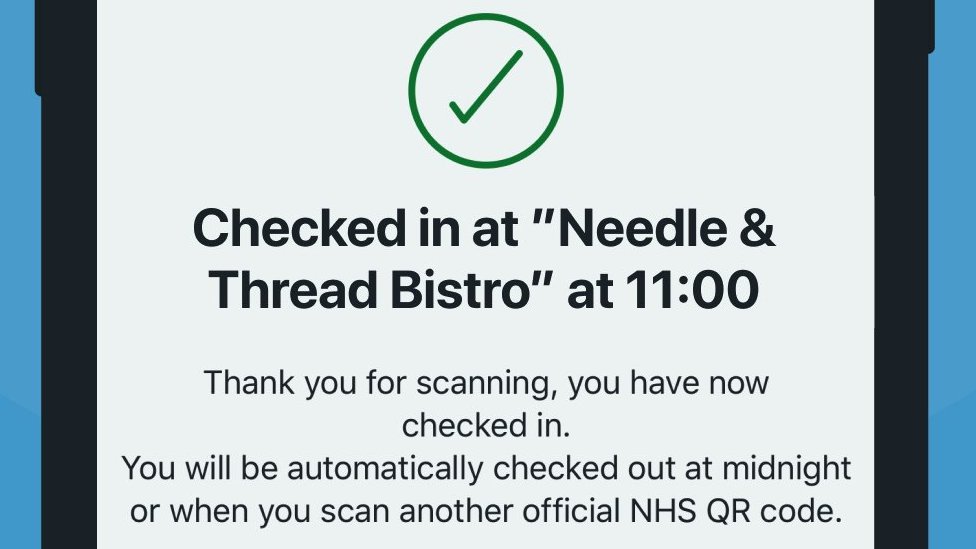
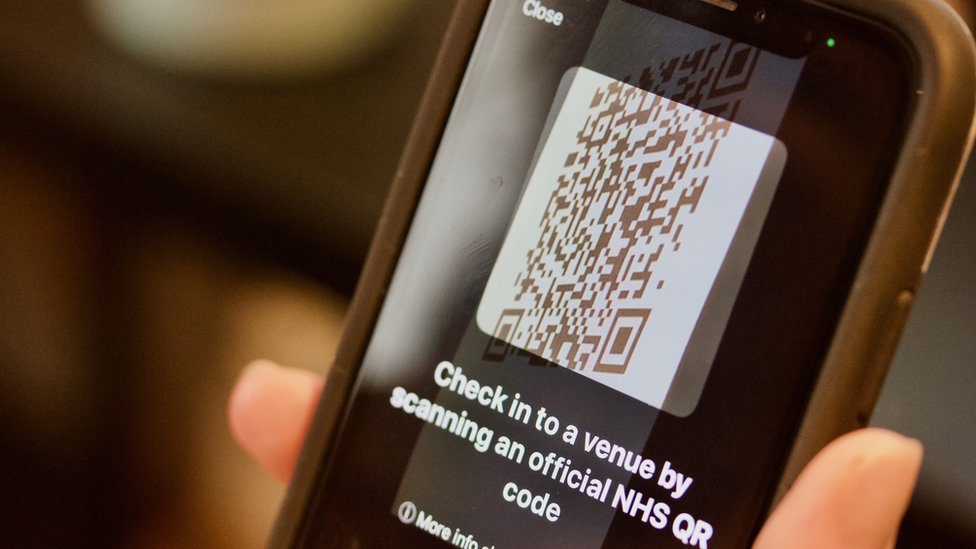
Restaurants, bars and other leisure facilities should display an authorised QR barcode on a poster or digital sign, which the app can scan.

image captionThe app recognises only QR codes related to the check-in scheme, to which businesses must be registered

The venue will then be added to the app’s “digital diary” of places the user has visited.

And the user will not need to give their name and address to the venue.

If officials later judge the location to be the centre of an outbreak, they can trigger an alert to users who were there.

And this notification might tell them to use the app’s symptoms checker and/or self-isolate.

How will the postcode facility work?

When a smartphone owner first uses the app, they are given the option of typing in the first part of their postcode – “M23”, for example.

Typically, thousands of other households will have the same code, so although this causes information to be shared with the authorities, it should not identify individuals.

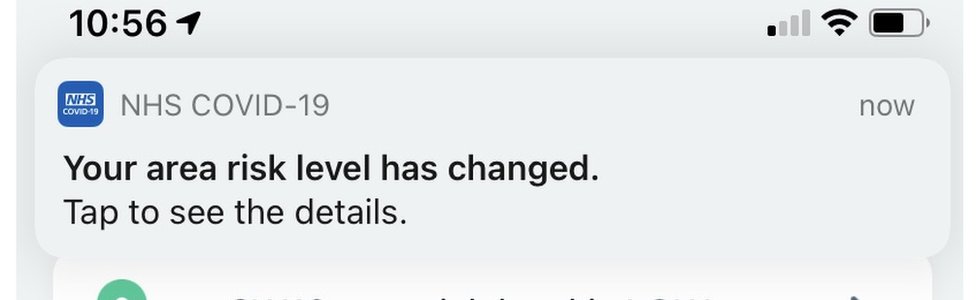
image captionThe app can trigger notification alerts to warn the user if their local risk level has changed or if they have been linked to someone who has the coronavirus

The user is then given a risk-level for their neighbourhood, at the top of the app’s home screen, and can be sent an alert if it changes.

And in turn, the NHS and local government can collect data about the numbers of app downloads and coronavirus cases in their area, helping them manage the crisis.

How will the app order a test?

Users can report symptoms – and when they started – at any time.

If they suggest infection, the user is told to book a test and that everyone in their household must self-isolate for eight days.

Booking a test involves using an external website, which asks for the user’s name and address.

But these personal details are not shared back to the app.

And a unique code lets users receive their test result via the app as soon as it is ready.

Will the app drain the battery and data allowance?

The developers suggest the app should account for less than 5% of a device’s battery use.

But if the phone is set to use a low-power mode, owners should go into their settings to exclude the app so it can continue contact tracing at all times.

And while the app is continually checking for updated data, it should not have a significant impact on people’s allowances.

What if users travel to Scotland or Northern Ireland, which have their own apps?

Apple and Google’s framework will not allow two apps to contact trace simultaneously.

So when users cross the border, they need to open the local app and turn on contact tracing within it.

This will bring up a prompt asking: “Switch app for exposure notifications?”

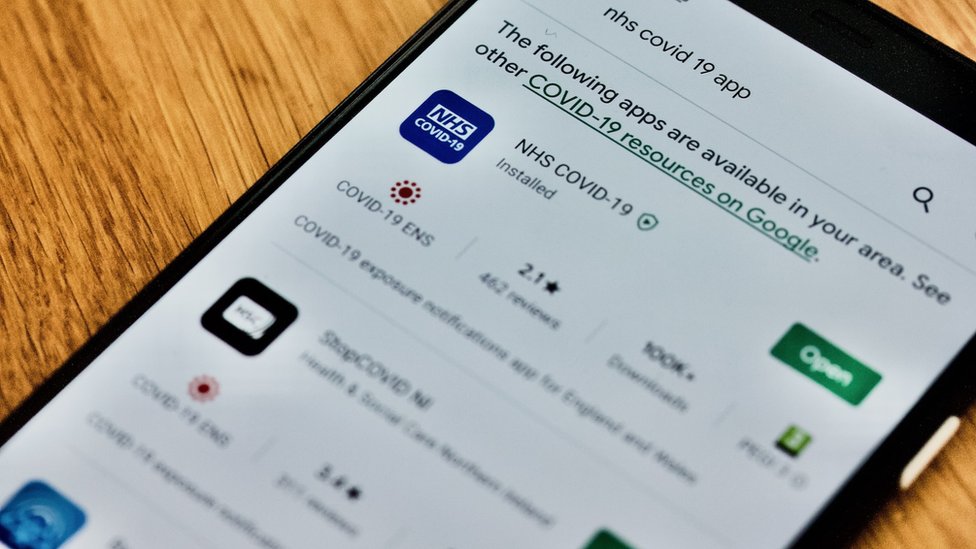
image captionGoogle Play shows users which UK-related contact-tracing apps are available to them

Doing so, will turn off the one they were using beforehand.

What if users work with PPE or behind a perspex screen?

While users are normally encouraged to keep the app active and their phone to hand whenever out of the house, there are exceptions.

To avoid people being told to self-isolate when they were protected, or phones logging each other while in lockers, there is an option to temporarily turn off contact tracing, at the bottom of the home screen.

How will the app tie into other efforts?

While the human and automated contact-tracing systems are being deliberately kept separate, they should complement each other.

So, for example, if you were in a supermarket queue, human tracers might find it hard to identify the person next in line but the app would be able to.

Likewise, if you were at a pub where a contagious user was sitting but not using the app, you might still receive an alert via the check-in service.

Will it make any difference?

According to modelling done by the University of Oxford, the app can significantly reduce deaths and hospital admissions if at least 15% of the population use it.

But real-world data on how effective such apps have been in other countries using them is scant.

And so far, they have been offered when the levels of infection have been relatively low, meaning the chance of any user receiving an alert has been slim.

Most people have yet to be convinced to install them too – about a third of the population in Ireland, 22% in Germany and only about 4% in France have done so.

As Covid-19 resurges that may change.

And as health chiefs note, there are other measures of success, including whether those that do download the app regularly open it and then change their behaviour as a result.

Related Topics

  • Contact tracing

  • Coronavirus testing
  • Apps

[ad_2]

Source link
Protesters demonstrate outside Portland building for second consecutive night

0

Demonstrations continued outside a Southeast Portland building for a second night in a row after a brief hiatus due to wildfire smoke.

The crowd arrived at the Penumbra Kelly Building, which has been the site of previous protests this year — around 10:30 p.m. — after they marched from a local park roughly a half a mile away. The mass gathering blocked a nearby street in both directions, authorities said.

Police would respect their right to protest but warned the large crowd not to enter or remain on “the property its landscaping or walkways.”

“Failure to adhere to this order may subject you to arrest, citation, or the use of crowd control agents including, but not limited to, impact weapons and/or OC munitions,” Portland police wrote on Twitter.

SOME PROTESTS AGAINST POLICE BRUTALITY TAKE A MORE CONFRONTATIONAL APPROACH: REPORT

According to videos on social media, at least one activist speaking to a crowd in front of the building would criticize a Monday report by the New York Times that said some protesters were using a more confrontational approach, which could force a schism among some Black Lives Matter activists.

One tactic is taking the fight to white neighborhoods that had been gentrified.

“We don’t need allies anymore,” Stephen Green, an investor and entrepreneur in Portland who is Black, told the paper. “We need accomplices.”

The protester read parts of the article aloud to the crowd, which appeared to laugh at times.

“So this is what they do right, so not only do they get a brother who agrees with what they say, but they get another brother to argue with that first brother and they blast that out,” an activist told the crowd before reading the quote by Green. “So what they’re showing is Black people not being able to get along.”

After more joined the crowd, police would issue the use of force warning before the article was read aloud once again. Meanwhile, a firework was thrown in front of police vehicles in the area, according to Oregon Public Broadcasting reporter, Sergio Olmos. Some people were also captured on video dancing to songs by Miley Cyrus and Rage Against the Machine.

PORTLAND PROTESTS RESUME AFTER WILDFIRE HIATUS WITH GINSBURG VIGIL, MORE VANDALISM

On Monday, a crowd marched on the Penumbra Kelly Building and stayed off of the property, but some individuals threw various items into the parking lot after congregating near the entrance, Portland police said earlier on Tuesday.

Arson investigators and the Explosive Disposal Unit identified one of the items thrown as a “viable Molotov cocktail,” according to authorities.

“The wick was lit and the device was thrown onto the property,” police added. “Fortunately, the fire extinguished and no one was injured.”

CLICK HERE TO GET THE FOX NEWS APP

Protests in Portland resumed late last week, after more than 100 consecutive days of demonstrations in the city, reports said.

Fox News’ Frank Miles contributed to this report

Source link

N.Y.C. Warns About Rising Virus Cases in Hasidic Neighborhoods

0
NYC Warns About Rising Virus Cases in Hasidic Neighborhoods

New York City’s Health Department warned Tuesday evening that Covid-19 was spreading at increasing levels in several neighborhoods in Brooklyn and Queens, a worrisome indicator after a couple of months of declining or flat transmission.

City health officials said that they were especially concerned about a clear uptick in transmission among some of the city’s Hasidic communities, which were devastated by Covid-19 in the spring but had seen few cases in the summer.

Patrick Gallahue, a spokesman for the city’s Health Department, said, “We are concerned about how Covid may be affecting Orthodox communities — in these neighborhoods and beyond — and we will continue working with partners, providers and residents throughout the city to ensure that guidance is followed to maintain our progress suppressing the pandemic.”

One city health official estimated that about a quarter of new Covid-19 cases in New York City appeared to be emanating from Orthodox Jewish communities, though the official acknowledged that at present the data was imperfect.

The data that alarmed public heath officials included the percentage of Covid-19 tests that were coming back positive. It had increased in recent weeks in several neighborhoods in Brooklyn — Williamsburg, Midwood, Borough Park and Bensonhurst — as well as Kew Gardens and Edgemere-Far Rockaway in Queens.

In the three South Brooklyn neighborhoods — Midwood, Borough Park and Bensonhurst — about 4.7 percent of Covid-19 tests were positive, which was far higher than in the rest of the city, according to the alert the Health Department sent to reporters.

Across the entirety of the city, between 1 percent and 2 percent of tests have been positive most days in the past two months. The alert said the Health Department was regarding the Covid-19 cases in those three neighborhoods as a single cluster that it was calling the Ocean Parkway Cluster.

The actual increase in new cases has been noticeable, but modest, in recent weeks. For much of the past two months, the seven-day rolling average of new cases has hovered in the mid- 200s. Recently, it began to climb toward an average of 300 new cases a day, reaching that on Sept. 14.

The rising case load is a particular cause for concern as it began weeks ahead of the reopening of in- person learning a the city’s public schools and the pending reopening of indoor dining, both of which are expected to lead to an uptick in new cases.

The rising levels of transmission left public health officials in a quandary they have struggled with in recent years: how to gain trust within the city’s Hasidic neighborhoods and encourage cooperation with public health mandates.

In recent years, the Health Department has faced skepticism and sometimes defiance from the Hasidic community as public health officials responded to a measles outbreak and to sporadic herpes cases linked to a circumcision ritual.

And at the height of the pandemic, many Hasidic Jews in New York felt that the mayor had unfairly singled them out when he drew attention to social-distancing violations among mourners at the funeral of a prominent Hasidic rabbi.

It was clear this week that the public health authorities were again struggling with how to encourage — or enforce — mask-wearing and social-distancing requirements in Hasidic neighborhoods, where many people are returning to communal life with few Covid-era precautions.

“This situation will require further action if noncompliance with safety precautions is observed,” the Health Department alert sent on Tuesday stated. The alert did not single out any particular group, only naming several neighborhoods with an elevated rate of transmission. “We are writing to provide an update on several COVID-19 signals in Brooklyn and Queens that are cause for significant concern,” the alert stated.

In recent weeks, the city’s health commissioner has publicly said he was worried about rising transmission within the large Orthodox Jewish communities in many of the same neighborhoods mentioned in Tuesday’s alert. “We have observed heightened rates of COVID-19 in many neighborhoods with large Orthodox Jewish populations,” the commissioner, David Chokshi, wrote in an email, according to Hamodia, an Orthodox Jewish news organization. That email was sent to other Orthodox Jewish news outlets as well in early September.

Yosef Rapaport, a media consultant, editor and podcaster in Borough Park, said he had also been hearing of a recent increase in the numbers of people sickened with Covid-19. “There was an uptick in special prayer requests” for those who had fallen ill, he said.

Mr. Rapaport, who is Hasidic and lost relatives to Covid-19 earlier this year, said he feared “a significant portion of our community is minimizing the danger.”

Few if any groups have been hit harder by Covid-19 than New York City’s Hasidic communities, where large families and crowded living conditions are the norm, and communal life revolves around the synagogue.

By late April, roughly 700 members of New York City’s Hasidic community were believed to have been killed by the disease, and few families had been spared. But the illness subsequently seemed to have passed, and synagogues and yeshivas began to reopen. Many people did not bother with masks.

In some areas with significant Hasidic populations, more than 40 percent of people being tested were found to have antibodies, fueling speculation that herd immunity might not be far off.

But after the summer passed with few new cases, there has been a gradual increase in recent weeks.

Motti Seligson, a Chabad rabbi, said he had recently heard of a few cases in the Crown Heights section of Brooklyn, “but nothing that can be called a second wave.” He added, “The uptick is something that’s of concern to people in these communities.”

In interviews, several Hasidic men in different neighborhoods across Brooklyn said that few people wore masks at large gatherings, including those at synagogues. They noted that many families were taking careful precautions and still not fully rejoining communal life. Rabbi Seligson said that some synagogues were holding more services to limit the number of people present at once and that some religious gatherings were being held outdoors.

Source link

Musk: $25,000 Tesla ready “in about three years”

0

[ad_1]

By James Clayton
North America technology reporter

Tesla car grille close-up

image copyrightGetty Images

Tesla founder Elon Musk has announced technology that he says will make Tesla batteries cheaper and more powerful.

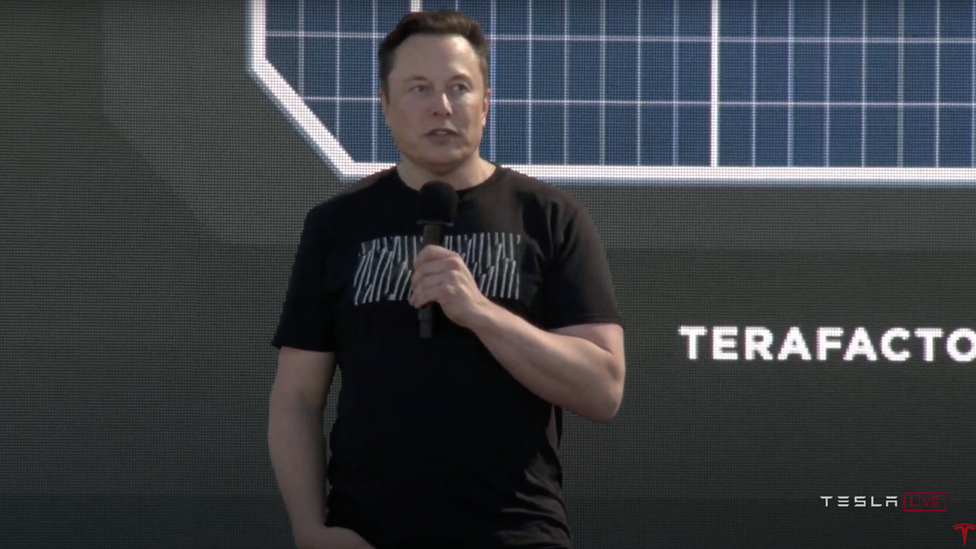
At a live presentation that Mr Musk labelled ‘Battery Day’ he also teased the possibility of a $25,000 (£19,600), fully-autonomous Tesla “in about three years time”.

“This has always been our dream to make an affordable electric car” he said.

But the news didn’t excite investors and $50bn was wiped off its stock market value.

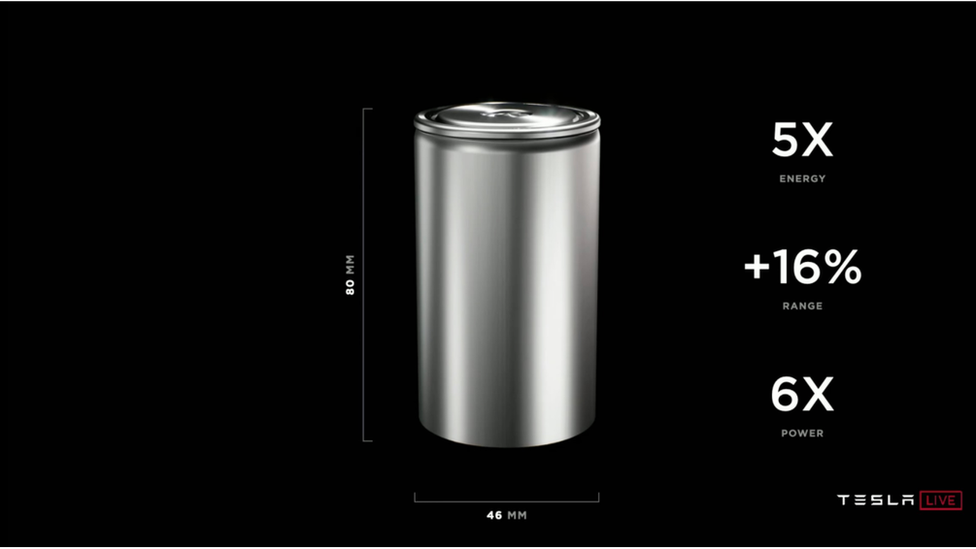
The main announcement was Tesla’s new larger cylindrical cells. It was claimed the new batteries will provide five times more energy, six times more power and 16% greater driving range.

But the technology announced is likely to take years to implement.

Tesla’s approach includes integrating the battery so that it forms part of the structure of the vehicle, thereby reducing the effective weight of the battery.

image copyrightTesla

The speech took place in front of 240 shareholders – each sitting in a Tesla Model 3.

Central to cheaper Teslas are innovations in the way the company designs batteries – radically improving their efficiency.

Professor Stanley Whittingham, a member of the National Academy of Engineering, told the BBC that “tackling all the opportunities is high risk, but high pay-off”.

“Many of us have suggested the same steps are necessary, but Tesla has the investment and will to make it happen. Not sure anyone else is willing to do this,” he said.

Mr Musk also announced that as well as purchasing batteries from Panasonic and LG Chem – Tesla itself would begin to make them.

In April last year Musk himself revealed problems with sourcing Panasonic batteries used in its

Model 3 Tesla.

Speaking to the BBC, Casper Rawles, Head of Price Assessments at Benchmark Mineral Intelligence, said scaling up would be “challenging”

“Even with really experienced car manufacturers, we tend to see a very high scrap rate of production in the first couple of years.”

He also warned that so much of the content of the battery is expensive metals – “You can only reduce the cost down to a point”.

Four consecutive quarters of growth have helped Tesla’s share price soar and it is now the most valuable car company in the world.

image copyrightTesla

This is despite criticisms of Elon Musk that some of his technological advances have been exaggerated.

Earlier this month customer group Consumer Reports released a damning report about Tesla’s automated driving services. The research concluded that “For now, Full Self-Driving Capability…remains a misnomer.”
And in July Mr Musk said Tesla would be able to make its vehicles completely autonomous by the end of this year. The statement was met with scepticism by industry insiders.

Tesla’s boss however announced that a ‘beta’ version of the full Autpilot software would be available “in a month or so”.

Musk is no stranger to glitzy and sometimes bizarre public demonstrations.

Earlier this month he unveiled a pig with a coin-sized computer chip in its brain to demonstrate his ambitious plans to create a working brain-to-machine interface.

Related Topics

  • Electric cars

  • Car industry
  • Batteries
  • Elon Musk
  • Tesla


[ad_2]

Source link
The incredible tale of a man who formed an unlikely bond with an octopus

0

(CNN) — Craig Foster was diving, bare-chested, in bitterly cold waters off the southern-most tip of Africa when he saw her — an octopus hiding under a cloak of shells and stones.

Enchanted, he began following this incredibly shy creature, trying to prove he wasn’t a predator by staying very still in her presence. For weeks she evaded him: hiding in her den, camouflaging herself, or pushing her liquid body into the nearest crack to escape.

And then, after 26 days of near obsessive wooing, she reached out and touched him.

In the new Netflix documentary “My Octopus Teacher” this tender moment moves you in a way you never thought an octopus tentacle wrapped around a human hand could.

Filmed in 2010, “My Octopus Teacher” chronicles the year Craig Foster spent cultivating a unique bond with an extraordinary creature. The nature documentary has received eight nominations for the Jackson Wild Media Award and won Best Feature at the EarthxFilm Festival.
Foster was able to capture intimate moments of this octopus’ short life by spending up to two hours following her every single day for a year.

“If you gain the trust of that animal over a period of months, it will actually ignore you to a certain degree and carry on with its normal life, and allow you to step inside its secret world,” Foster tells CNN.

We see her outwitting a shark by hitching a ride on its back, growing a new tentacle after surviving a shark attack, and finally wasting away after laying a clutch of eggs.

“The octopus showed me many behaviors that were completely new to science, because this animal trusted me,” he says

“My Octopus Teacher” was directed by Pippa Ehrlich and James Reed and produced by Craig Foster.

Craig Foster/Sea Change Project

The most powerful moment for Foster was when she allowed him to follow her on a hunt.

“It’s not like you are in a Jeep and arrive upon a hunting scene on land,” he explains. “In the water it’s intimate. When she chooses to let you into her world … it’s a very, very special moment of not just being accepted, but that your presence to her also feels natural, like you belong in that space with her.”

Foster has spent the last ten years diving in a kelp forest in the Atlantic Ocean off the west coast of South Africa where water temperatures can drop as low as 8 degrees Celsius.

Known as the “Cape of Storms,” he describes this patch of ocean as “the most treacherous coast in the world.” While some swimmers fear sharks or other predators, Foster says the greatest threat to his life is being thrown onto a rock by a big wave.

The healing power of the ocean

Foster began this daily diving regimen as a way of dealing with a depression that had left him raw and disconnected. “I was struggling. My only way to heal felt like I needed to be in the ocean, my go-to happy place as a child.”

Immersing himself in this underwater world has calmed his mind, he says. Over the years other animals have reached out to make contact, including otters, whales, cuttlefish and even sharks. “They have chosen to come to me and make that contact, showing a moment of trust and vulnerability,” he says. “Every time it’s breathtaking and healing.”

But nothing has compared to his “once-in-a-lifetime” bond with the octopus, he says.

Foster says the greatest lesson she taught him is that humans are part of the natural world around us, and not simply visitors.

“Your own role and place in the natural world is singularly the most precious gift we have been given.”

Source link