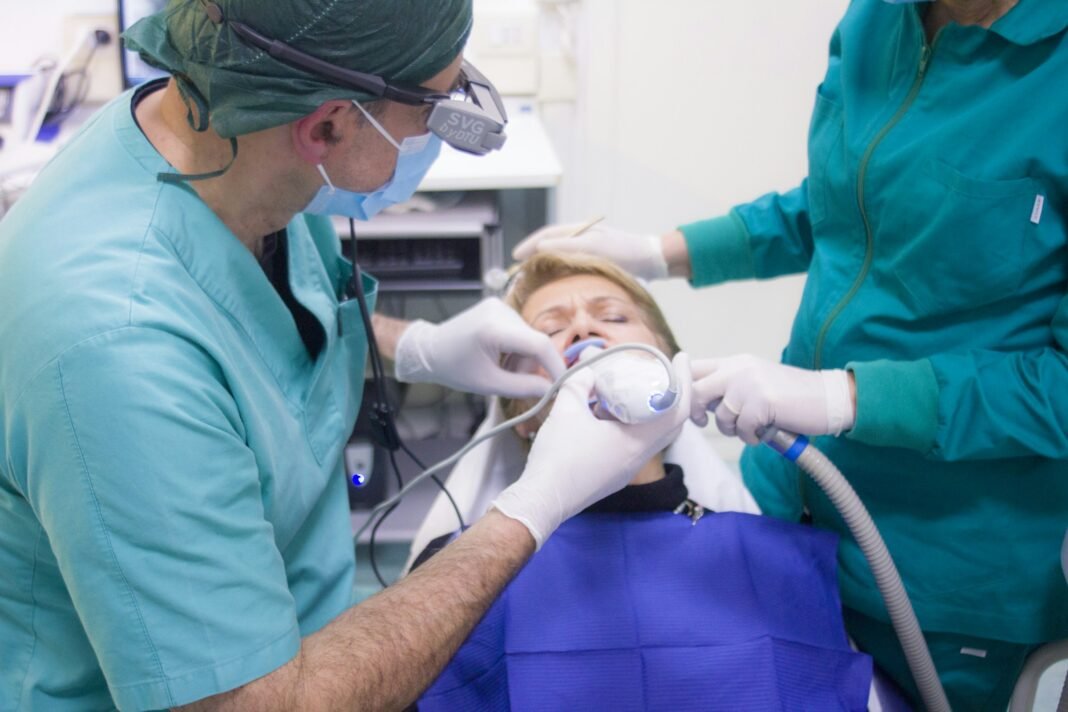

The landscape of global healthcare is undergoing a profound geographic shift, particularly within the specialized field of restorative dentistry. Historically, individuals requiring extensive oral rehabilitation such as full-arch implant placement, complex bone grafting, or intricate veneer applications were largely confined to their domestic medical systems. However, escalating local healthcare costs and prolonged waiting periods for specialized procedures have fundamentally altered patient behavior. Today, a rapidly expanding demographic actively seeks sophisticated care across international borders, demanding equivalent or superior medical expertise combined with greater economic efficiency. This movement represents a targeted pursuit of advanced technological integration and specialized surgical proficiency that is increasingly concentrated in designated global medical hubs.
Addressing severe dental deterioration is an urgent physiological necessity rather than a mere aesthetic preference. The loss of dentition triggers an immediate process of alveolar bone resorption, where the jawbone slowly deteriorates due to a lack of mechanical stimulation. This structural loss alters facial architecture and significantly impairs masticatory function, leading to secondary gastrointestinal issues and nutritional deficits. Halting this biological decline requires complex surgical interventions that many individuals find financially inaccessible at home. Consequently, the search for viable, high-quality alternatives has driven the expansion of international medical infrastructure.
Modern dental rehabilitation demands extraordinary precision and relies heavily on digital dentistry to ensure predictable, long-lasting outcomes. High-tier international clinics operate with the same, and sometimes superior, diagnostic equipment found in top domestic practices. The routine utilization of Cone Beam Computed Tomography (CBCT) allows maxillofacial surgeons to acquire three-dimensional representations of cranial anatomy. This imaging is crucial for assessing bone density and mapping the exact trajectory of the mandibular nerve prior to embedding titanium fixtures. Furthermore, high-resolution intraoral scanners have largely replaced traditional, uncomfortable impression materials, facilitating the rapid fabrication of prosthetic crowns via CAD/CAM milling systems.
The surgical protocols and materials employed during these international procedures mirror the stringent guidelines established by leading dental boards. Biocompatibility is a primary concern during any implant procedure. Medical-grade titanium remains the gold standard for intraosseous placement due to its remarkable ability to fuse directly with living bone, a biological process known as osseointegration. Once the foundational posts are secured, the visible restorations are typically crafted from highly durable, light-reflecting materials such as monolithic zirconia or lithium disilicate. These advanced ceramics resist micro-fractures and closely mimic the natural translucency of organic tooth enamel.
The intersection of high medical standards and logistical accessibility has made certain regions incredibly appealing to international patients. The ongoing dialogue surrounding Dental Treatment in Turkey frequently centers on this exact synthesis of quality and efficiency. The region has heavily subsidized its medical and technological infrastructure, resulting in clinical facilities that boast state-of-the-art sterilization protocols and advanced surgical suites. Periodontists, endodontists, and oral surgeons operating within these internationally accredited institutions frequently hold dual qualifications or have completed extensive fellowships across Europe or North America. As a result, the surgical outcomes for complex interventions ranging from bilateral sinus lifts to immediate-load full-arch prosthetics boast success rates that rival the most stringent global statistics.
Navigating foreign medical systems requires robust facilitation to ensure rigorous patient safety and seamless clinical communication. A successful restorative journey relies heavily on meticulous preoperative planning, where panoramic x-rays and medical histories are rigorously evaluated by specialists before a patient ever travels. Dedicated healthcare organizations like Dentprime serve an essential function within this ecosystem. By coordinating complex surgical itineraries, providing medically fluent translators, and ensuring that all clinical interventions are performed strictly by vetted, board-certified specialists, these facilitators bridge the critical gap between the initial virtual consultation and the final prosthetic delivery. The entire process involves a highly structured timeline, allowing for necessary physiological healing periods while optimizing laboratory production schedules.
The biological integration of dental implants and the long-term stability of ceramic restorations represent an ongoing physiological commitment. A successful medical excursion places heavy emphasis on rigorous post-operative protocols. Upon returning to their home countries, patients must adhere to strict oral hygiene regimens, utilizing specialized tools like water flossers and interdental brushes to protect delicate gingival margins from bacterial infiltration. High-caliber international clinics provide extensive, standardized documentation detailing the exact implant brands, screw thread dimensions, and restorative alloy compositions utilized during the surgery. This meticulous medical record-keeping ensures that domestic general dentists can safely perform routine professional cleanings or address any localized prosthetic adjustments decades after the initial surgery. Accessing top-tier surgical expertise is no longer restricted by geographic boundaries, allowing individuals to successfully reclaim their systemic health and masticatory function through meticulously planned international healthcare.