
Ever found yourself shivering under a blanket in winter, wondering why your home feels like an icebox? Or perhaps you’ve experienced those sweltering summer days when even the ceiling fan can’t cut through the heat? What if there was a way to maintain the perfect temperature year-round without breaking the bank?
The truth is that your home’s climate control system plays a massive role in your daily comfort and wellbeing. Whether you’re working from home, entertaining guests, or simply relaxing after a long day, the right temperature makes all the difference. Getting your AC heating and cooling setup right isn’t just about comfort—it’s about creating a space where you actually want to spend time.
In this guide, we’ll explore everything you need to know about heat & cool air conditioning systems, from understanding how they work to choosing the perfect unit for your space. We’ll also cover split systems heating and cooling, discuss when you should consider replacing your home AC unit, and share practical tips for maximising efficiency while keeping energy bills in check. By the end, you’ll have the knowledge to transform your home into a year-round haven of comfort.
Table Of Contents
- 1 Understanding AC Heating and Cooling Systems
- 2 Split Systems Heating and Cooling: The Popular Choice for Australian Homes
- 3 Choosing the Right Heater and Air Conditioner for Your Space
- 4 Advanced Heating and Cooling Solutions
- 5 Replacing Home AC Unit: When and Why It’s Time to Upgrade
- 6 Heating and Cooling Doncaster: Local Considerations for South Australian Homes
- 7 Maximising Comfort and Reducing Energy Bills
- 8 Creating Your Ideal Home Environment
Understanding AC Heating and Cooling Systems
What Is Heat & Cool Air Conditioning?
Heat and cool air conditioning refers to systems that can both warm and cool your home using a single unit. These clever machines have revolutionised home comfort by eliminating the need for separate heating and cooling appliances. Instead of cluttering your home with multiple devices, you get one streamlined system that handles everything.
Modern heater and air conditioner combination units use reverse-cycle technology to achieve this dual functionality. During summer, they extract heat from inside your home and pump it outdoors. Come winter, they simply reverse the process, pulling warmth from the outside air and bringing it inside. It’s pretty clever when you think about it!
How Does Heating with Air Conditioner Technology Work?
Heating with air conditioner technology might sound counterintuitive, but it’s actually remarkably efficient. The system uses a refrigerant that absorbs and releases heat as it cycles between liquid and gas states. Even when it’s cold outside, there’s still heat energy in the air that can be captured and transferred indoors.
The beauty of this technology lies in its energy efficiency. Rather than generating heat from scratch (like a traditional electric heater), reverse-cycle systems simply move existing heat around. This means you can get three to five kilowatts of heating for every kilowatt of electricity used. That’s a significant saving on your energy bills!
Can One System Really Heat and Cool Your Home?
Absolutely! A quality reverse-cycle system can handle both heating and cooling with ease. These units have become incredibly sophisticated, offering precise temperature control throughout the year. You can set your desired temperature and let the system maintain it automatically, regardless of what’s happening outside.
The key is choosing the right size and type of system for your home. An undersized unit will struggle to maintain comfort, while an oversized one will cycle on and off too frequently, wasting energy and wearing out faster.
Split Systems Heating and Cooling: The Popular Choice for Australian Homes
What Is a Heating and Air Conditioning Split System?
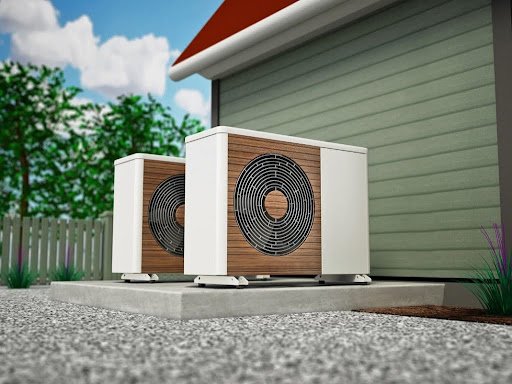
A heating and air conditioning split system consists of two main components: an indoor unit and an outdoor unit connected by refrigerant pipes. The indoor unit houses the fan and evaporator, while the outdoor unit contains the compressor and condenser. This separation allows for quieter operation inside your home.
Split systems heating and cooling have become incredibly popular across Australia, and for good reason. They’re versatile, efficient, and relatively easy to install compared to ducted systems. Plus, they come in various sizes to suit different room dimensions.
Benefits of Split System Cooling and Heating
Split system cooling and heating offers numerous advantages for homeowners. First, they’re incredibly energy-efficient, with many models boasting high star ratings. You’ll only heat or cool the rooms you’re using, rather than wasting energy on empty spaces.
Installation is typically straightforward and less invasive than ducted systems. There’s no need for extensive ductwork throughout your ceiling—just a small hole in the wall connects the indoor and outdoor units. What’s more, modern split systems are whisper-quiet and come with features like timers, sleep modes, and air purification.
Is a Split System Right for Your Home?
Split systems work brilliantly for apartments, smaller homes, or situations where you want to climate-control specific rooms. If you’re renting or on a tighter budget, they offer an excellent balance of performance and affordability.
However, larger homes with multiple rooms might benefit from either multiple split systems or a ducted solution. Consider your specific needs, budget, and the layout of your home before making a decision.
Choosing the Right Heater and Air Conditioner for Your Space
Factors to Consider Before You Buy
Before purchasing any heating and cooling system, think about your home’s insulation, ceiling height, window size, and which direction rooms face. North-facing rooms in Australia cop more sun, meaning they’ll need extra cooling capacity in summer.
Your lifestyle matters too. Do you work from home? Are certain rooms used more than others? Understanding your usage patterns helps you invest wisely and avoid overspending on capacity you don’t need.
What Size System Do I Need for My Home?
Getting the size right is crucial. As a rough guide, you’ll need about 120-150 watts of cooling capacity per square metre of floor space. However, this varies based on insulation quality, climate zone, and room characteristics.
A professional assessment is always recommended. An experienced installer can calculate the precise requirements for your space, ensuring you get a system that performs optimally without wasting energy or money.
Energy Efficiency Ratings Explained
Energy ratings tell you how efficiently a system converts electricity into heating or cooling. Look for units with higher star ratings—they’ll cost less to run over their lifetime, even if the upfront price is slightly higher.
The Zoned Energy Rating Label (ZERL) provides climate-specific information, showing how a system performs in different Australian regions. This is particularly helpful when considering heating and cooling Doncaster residents need versus other areas.
Advanced Heating and Cooling Solutions
Smart Thermostats and Zoning Technology
Advanced heating and cooling have come a long way with smart technology. Smart thermostats learn your preferences and adjust temperatures automatically. You can control them from your phone, set schedules, and even receive maintenance reminders.
Zoning technology takes this further by allowing different temperatures in different areas of your home. Perhaps you like it cooler in the bedroom at night but warmer in the living areas during the day. Zoning makes this possible without running multiple separate systems.
Ducted vs Split Systems: Which Offers Better Comfort?
Ducted systems offer whole-home climate control through vents in each room, providing a streamlined aesthetic with no visible indoor units. They’re ideal for larger homes and new builds where ductwork can be incorporated during construction.
Split systems offer flexibility and lower upfront costs, making them perfect for targeted cooling or heating. Many homeowners opt for a combination—perhaps ducted in living areas with a split system in the master bedroom for individual control.
Replacing Home AC Unit: When and Why It’s Time to Upgrade
Signs Your Current System Needs Replacing
Is your system making strange noises, struggling to maintain temperature, or requiring frequent repairs? These are telltale signs that replacing home AC unit equipment should be on your agenda. Rising energy bills despite similar usage also indicate declining efficiency.
If your system uses older refrigerants being phased out, replacement becomes necessary anyway. Plus, newer models offer significant improvements in efficiency, features, and environmental performance.
How Often Should You Replace Your Air Conditioner?
Most quality systems last between 10-15 years with proper maintenance. However, technology improves so rapidly that upgrading after 10 years often makes financial sense. The energy savings from a modern unit can offset the purchase cost over time.
What to Expect During Installation
Professional installation typically takes half a day for split systems and one to two days for ducted setups. Expect some noise and minor disruption, but reputable installers will leave your home clean and tidy.
Heating and Cooling Doncaster: Local Considerations for South Australian Homes
Managing Doncaster Unique Climate Challenges
Heating and cooling Doncaster homes presents unique challenges. The city experiences hot, dry summers and cool winters, sometimes with dramatic temperature swings within a single day. Your system needs to handle both extremes efficiently.
Doncaster Mediterranean climate means you’ll likely use cooling more than heating, so prioritise systems with strong cooling performance and decent heating capabilities.
Finding Reliable Local Installation Services
Choose installers familiar with Doncaster specific requirements. Local professionals understand the climate, council regulations, and which systems perform best in South Australian conditions. Always check reviews, ask for references, and confirm proper licensing.
Maximising Comfort and Reducing Energy Bills
Simple Maintenance Tips for Year-Round Efficiency
Clean your filters monthly during peak usage—blocked filters force systems to work harder, consuming more energy. Schedule professional servicing annually to keep everything running smoothly and catch problems early.
How Can I Lower My Heating and Cooling Costs?
Set realistic temperatures: 24-25°C for cooling and 18-20°C for heating are comfortable yet efficient. Use timers to avoid running systems in empty homes. Improve insulation and seal draughts to reduce the workload on your climate control.
Creating Your Ideal Home Environment
Getting your home’s climate control right transforms your living experience. From understanding how AC heating and cooling systems work to choosing between split systems and ducted options, you now have the knowledge to make informed decisions.
Remember, the best system is one that matches your specific needs, budget, and home layout. Whether you’re upgrading an ageing unit or installing your first climate control system, taking time to research pays dividends in comfort and savings.
Don’t let another uncomfortable season pass you by. Consider your options, consult with local professionals, and take that step toward year-round comfort. Your future self—whether wrapped in winter warmth or enjoying cool summer relief—will thank you for it!